

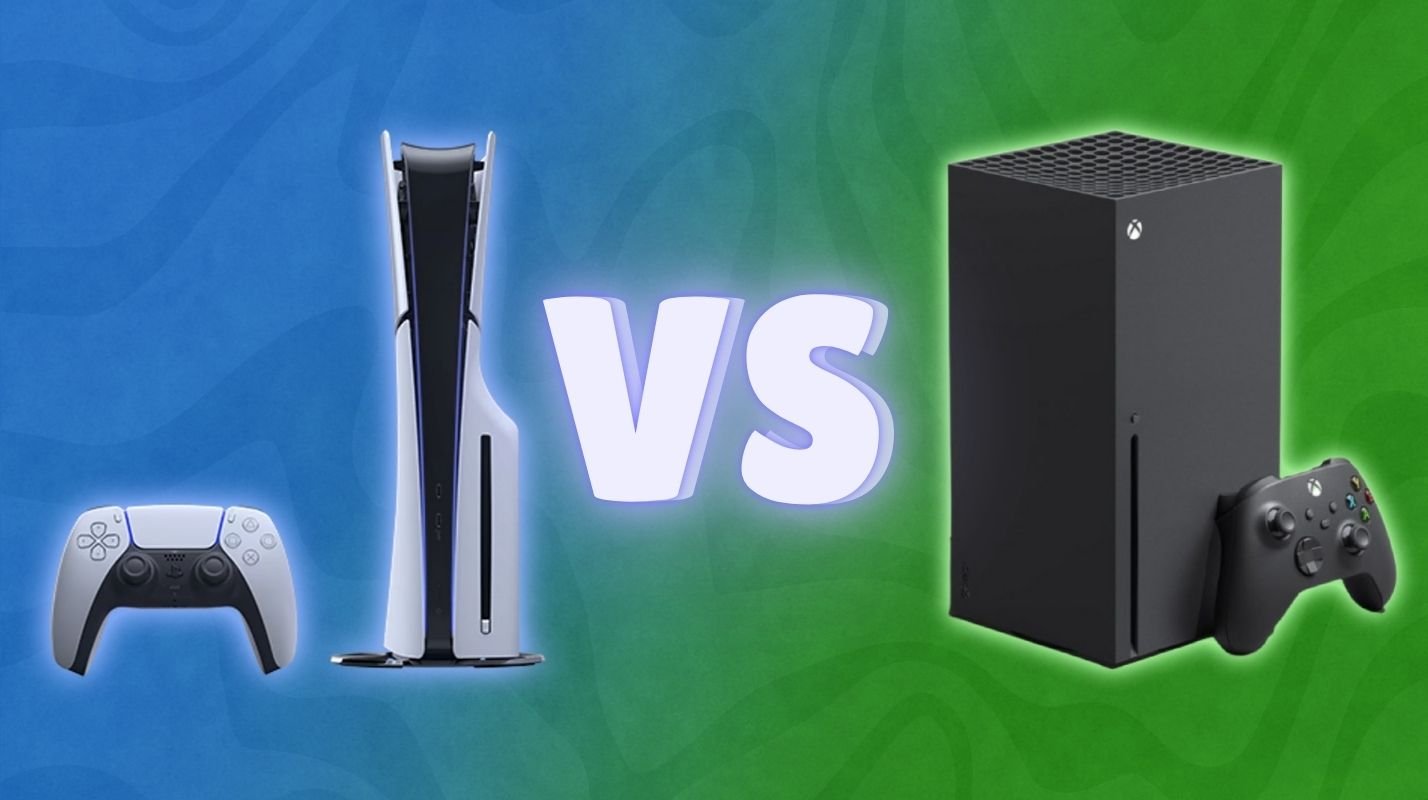
In fast-paced action video games, performance isn’t just a aesthetic luxury—it directly affects gameplay execution. A split-second dropped frame during a parry, input latency on a dodge roll, or screen tearing during an intense camera turn can ruin an encounter.
Both the PlayStation 5 and Xbox Series X feature custom AMD Zen 2 CPUs and RDNA 2 GPUs targeting 4K resolution at 60 to 120 FPS. However, their underlying system architectures, developer optimization pipelines, and controller features yield subtle performance differences in action titles.
Which platform delivers the superior action gaming experience? Here is an in-depth performance breakdown.
The Raw Specs: Compute Power vs. Clock Speed
On paper, Microsoft holds a slight hardware advantage in raw compute power, while Sony prioritizes clock speed and storage architecture:
-
Xbox Series X: 12.15 Teraflops (52 CUs at 1.825 GHz locked)
-
PlayStation 5: 10.28 Teraflops (36 CUs at 2.23 GHz variable boost)
Xbox Series X: Higher Raw Shader Bandwidth (Parallel Compute)
PS5: Higher GPU Clock Frequency (Faster Execution & Command Issue)
What This Means for Action Games:

The Xbox Series X’s wider GPU handles heavy parallel processing—such as volumetric smoke, ray-traced reflections, and ultra-high dynamic resolutions—with greater overhead.
Conversely, the PS5’s higher clock speed allows command processors and geometry engines to run faster. In combat scenarios requiring immediate geometry rendering and rapid asset cycling, the base PS5 frequently matches or slightly edges out the Xbox Series X in maintaining a locked 60 FPS target.
Frame Rate Stability & 120Hz Performance
For action games, frame rate consistency takes precedence over raw pixel count.
60 FPS Standard Modes
In standard 60 FPS Performance modes across major cross-platform action games (Elden Ring, Devil May Cry 5, Cyberpunk 2077), both consoles perform exceptionally well.
-
The Xbox Series X often maintains slightly higher dynamic rendering resolutions.
-
The PS5 exhibits fewer minor frame dips during heavy alpha-effect sequences (e.g., giant particle explosions during boss fights) due to its variable clock system.
120Hz High Frame Rate (HFR) Modes
In titles like DOOM Eternal, Call of Duty, and Nioh Collection, both consoles support 120Hz output. High refresh rates reduce input latency by half (from ~16ms down to ~8ms), making parry windows and dodge timing feel instantaneous.
While both systems maintain stable 120 FPS targets in optimized arenas, Xbox’s system-level Variable Refresh Rate (VRR) integration works seamlessly across a wider range of display types, effectively eliminating screen tearing if frame drops occur.
Load Times & Asset Streaming
Fast load times keep death loops and retries seamless—a vital requirement for punishing action games and Soulslikes.
| Performance Metric | PlayStation 5 | Xbox Series X |
| SSD Raw Throughput | 5.5 GB/s (Up to 9 GB/s compressed) | 2.4 GB/s (Up to 4.8 GB/s compressed) |
| Typical Respawn Time | ~2 to 5 Seconds | ~5 to 9 Seconds |
| Feature Highlight | Instant Asset Streaming | Quick Resume (Switch between games instantly) |
The PS5’s custom I/O controller and ultra-fast NVMe SSD consistently deliver faster respawn times after dying in action games. However, the Xbox Series X counters with Quick Resume, allowing players to freeze an active action game state and switch to another title within seconds without returning to the main menu.
Tactical Haptics: DualSense vs. Xbox Controller
Performance isn’t purely measured in frame rates—tactile feedback impacts control precision.
Standard Vibration (Xbox) ──> Broad rumble cues across entire palm
DualSense Haptics (PS5)   ──> Directional force feedback & trigger tension
-
PS5 DualSense: Features adaptive triggers and high-definition haptic feedback. In action titles like God of War Ragnarök or Returnal, the controller simulates the exact tension of drawing a bowstring, weapon recoil, or directional enemy strikes directly through your hands.
-
Xbox Wireless Controller: Offers traditional rumble triggers and a time-tested asymmetric thumbstick ergonomic design favored by competitive shooter players, though it lacks dynamic trigger resistance.
Summary Verdict: Which Console Wins for Action Games?
Both flagship consoles deliver exceptional action game performance, but they cater to slightly different priorities:
-
Choose the PlayStation 5 if: You prioritize ultra-fast load times upon dying, tactile haptic feedback during melee combat, and a locked 60 FPS performance curve in major action titles.
-
Choose the Xbox Series X if: You want higher average dynamic resolutions, seamless system-wide VRR support on diverse displays, and access to a massive library of action titles via Game Pass.
Ultimately, third-party action developers optimize for both platforms in parallel. Unless you are measuring frame-pacing with specialized diagnostic tools, both machines offer world-class combat performance.